The Quiet Resurrection: Slow Fire - Slow Discipleship
It’s a renewal for those who tried revivals and needed restoration instead of stimulation. Embers not flames. A silent resurrection, where the soul breathes again and grace seeps in quietly like morning light through pine branches.
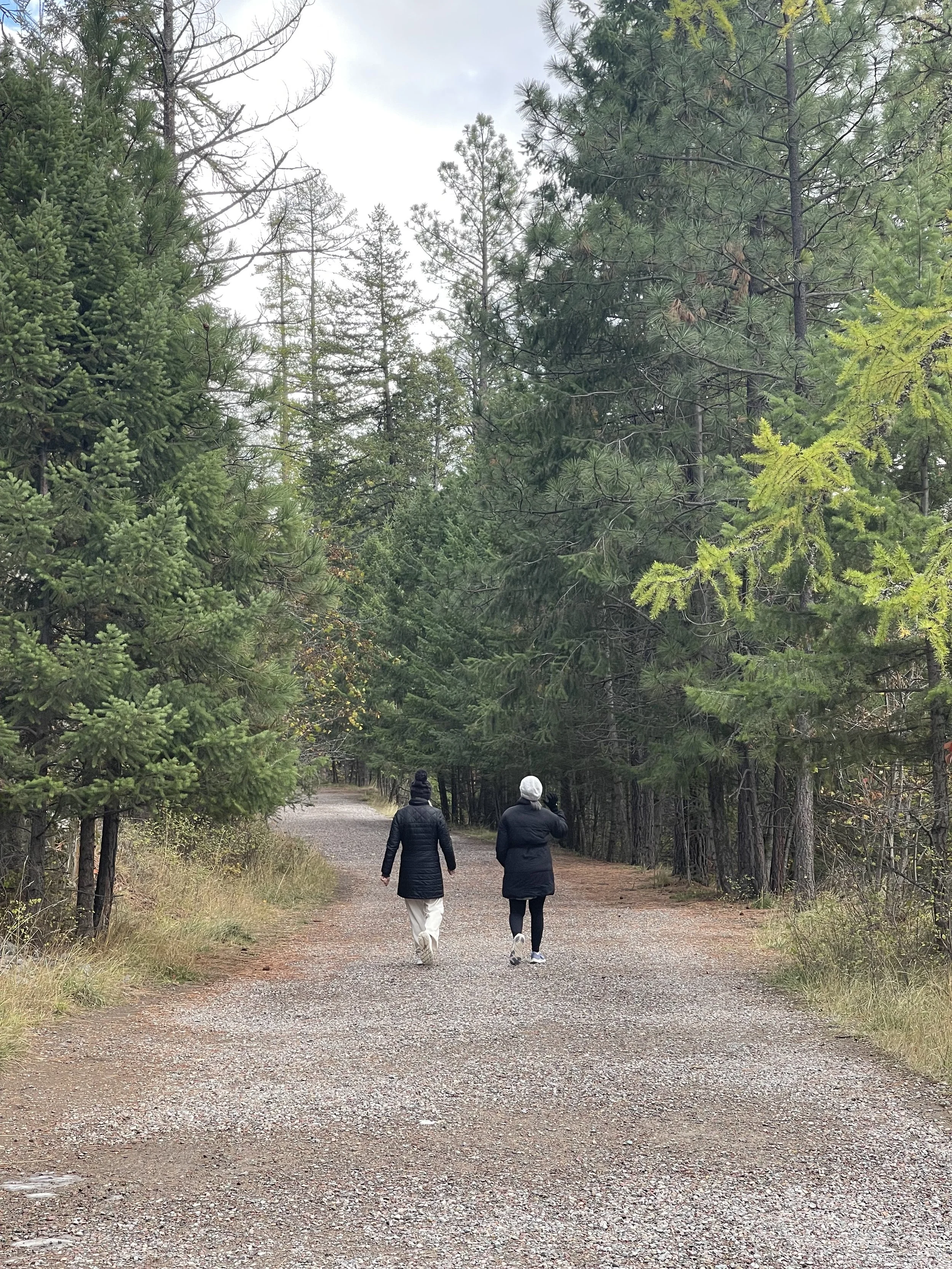
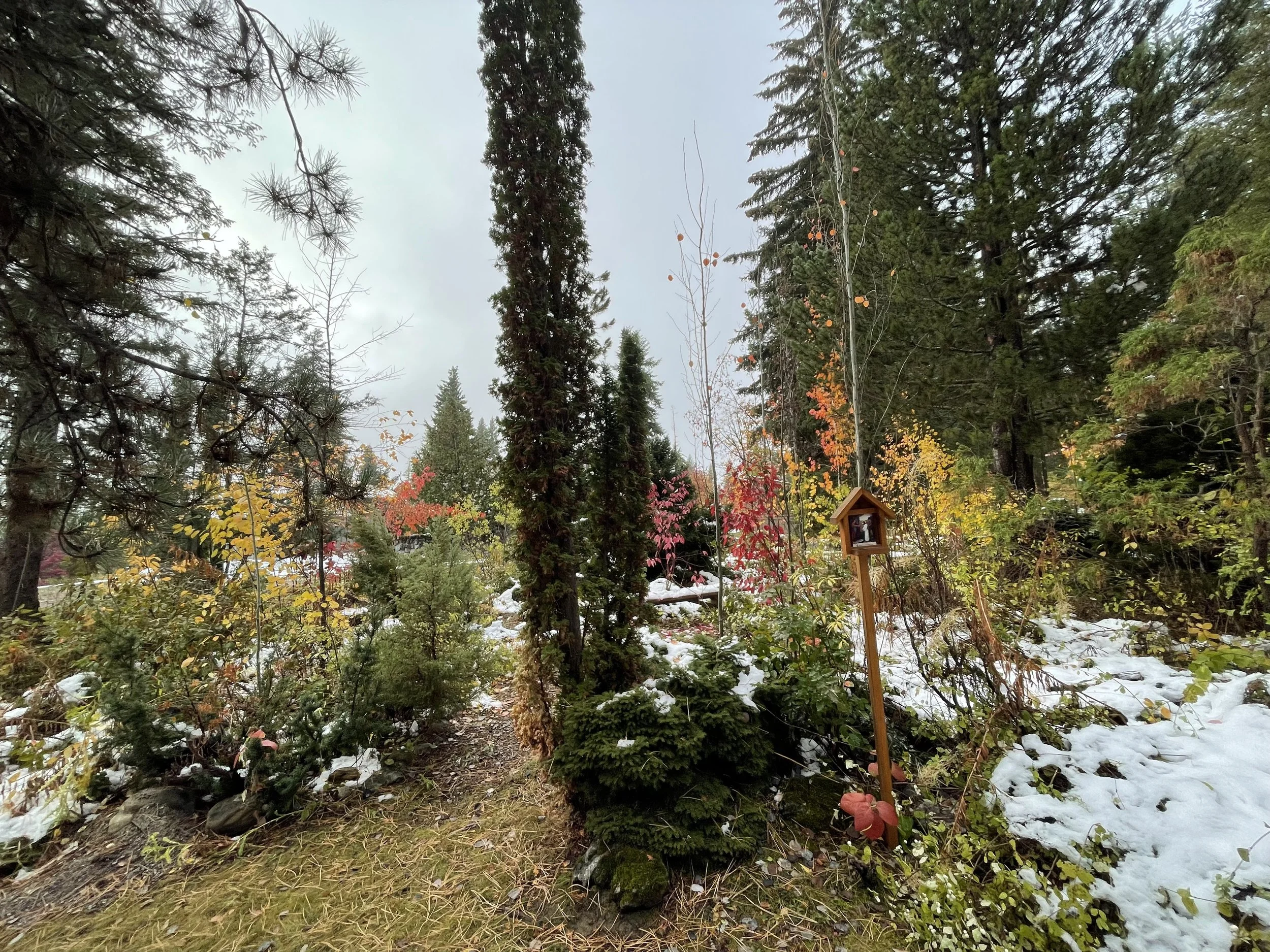
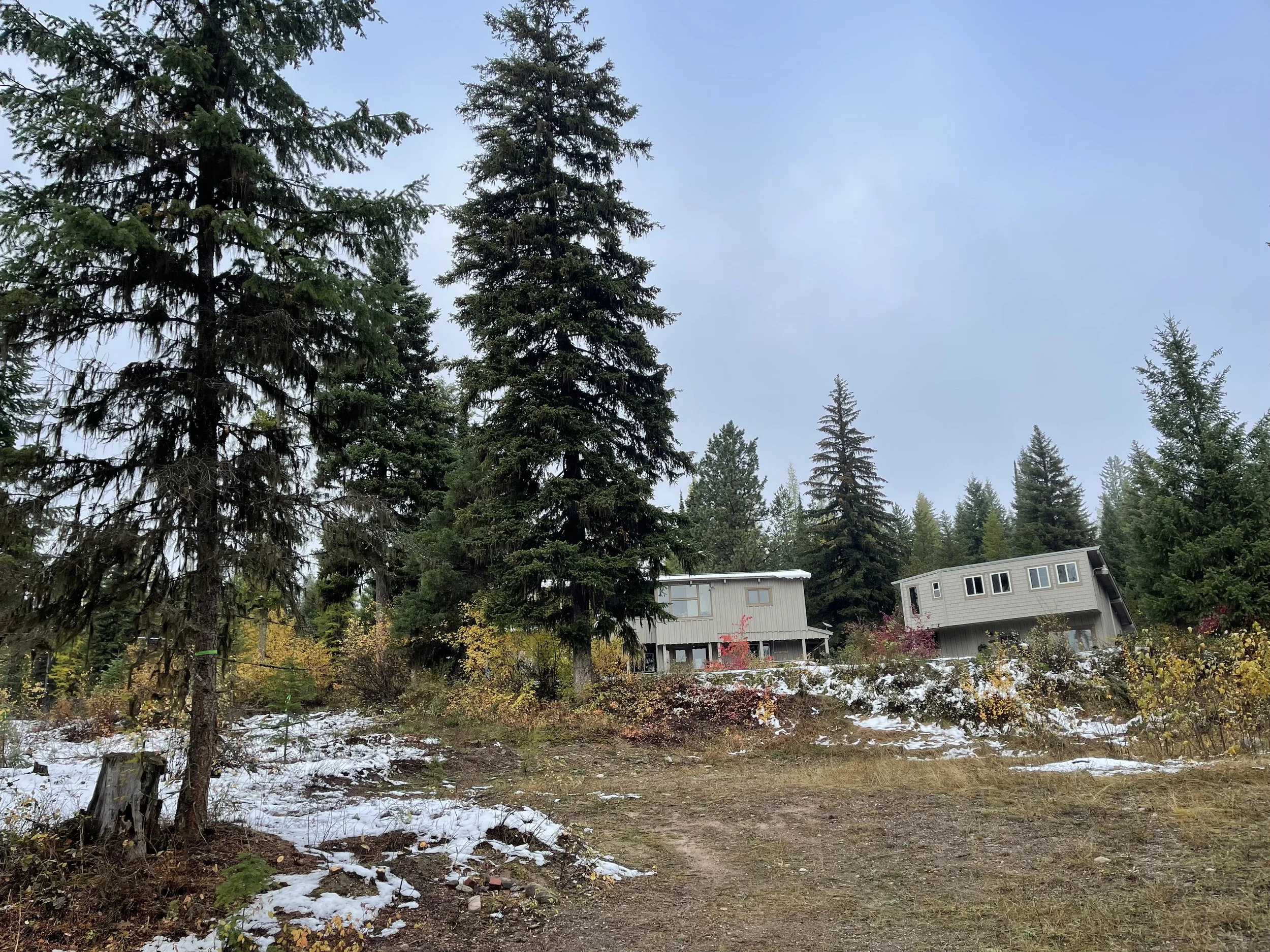
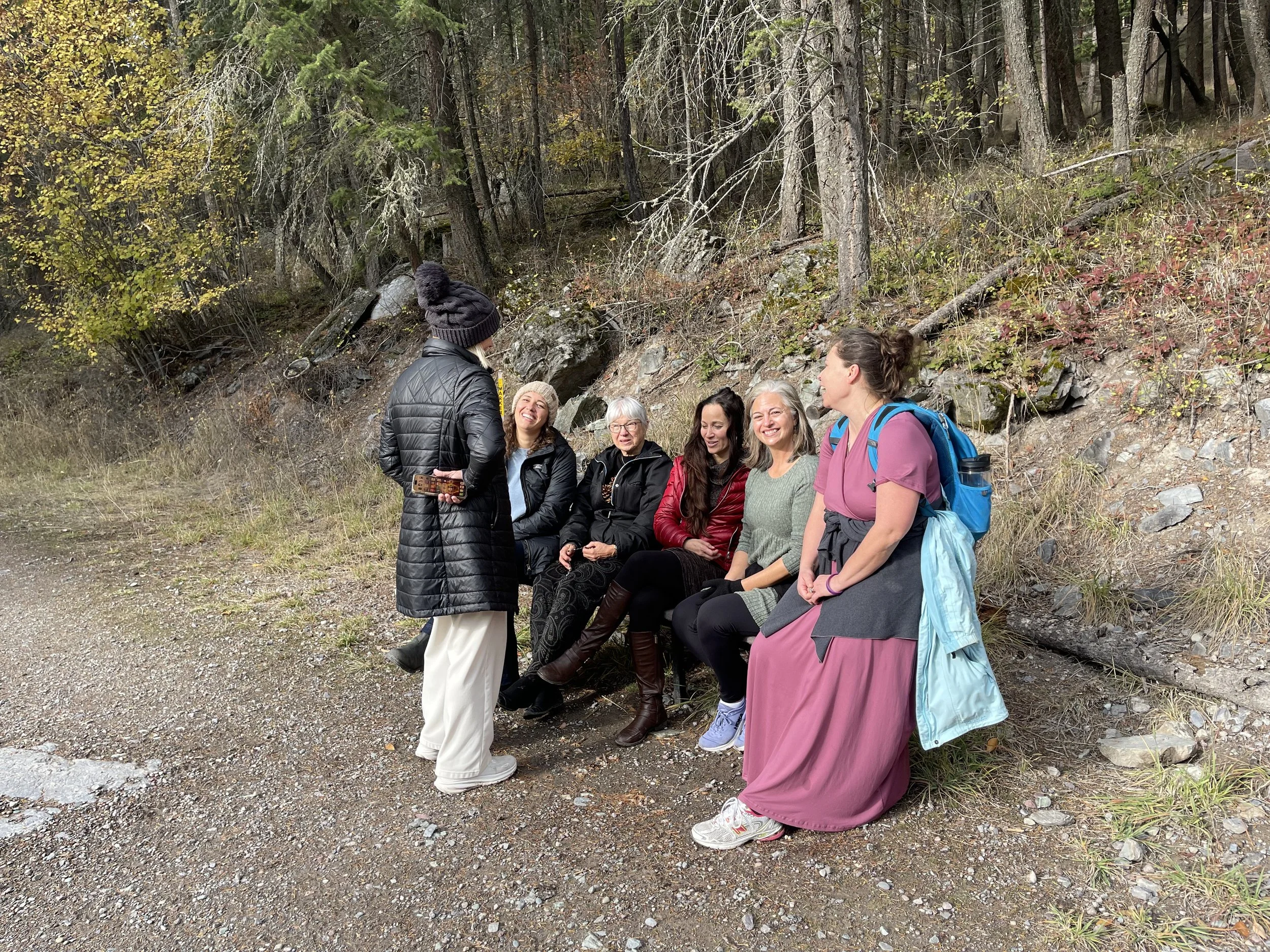
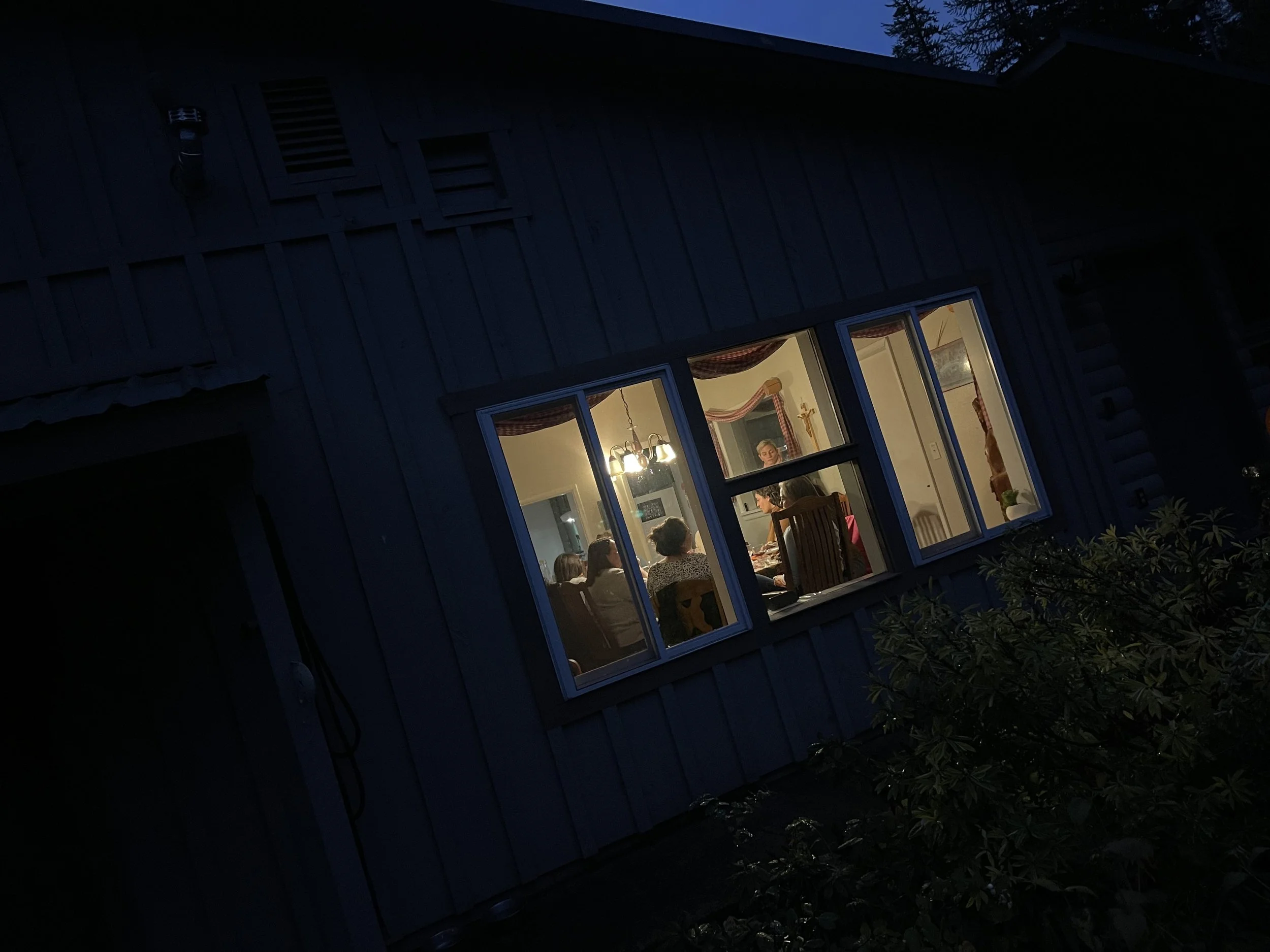
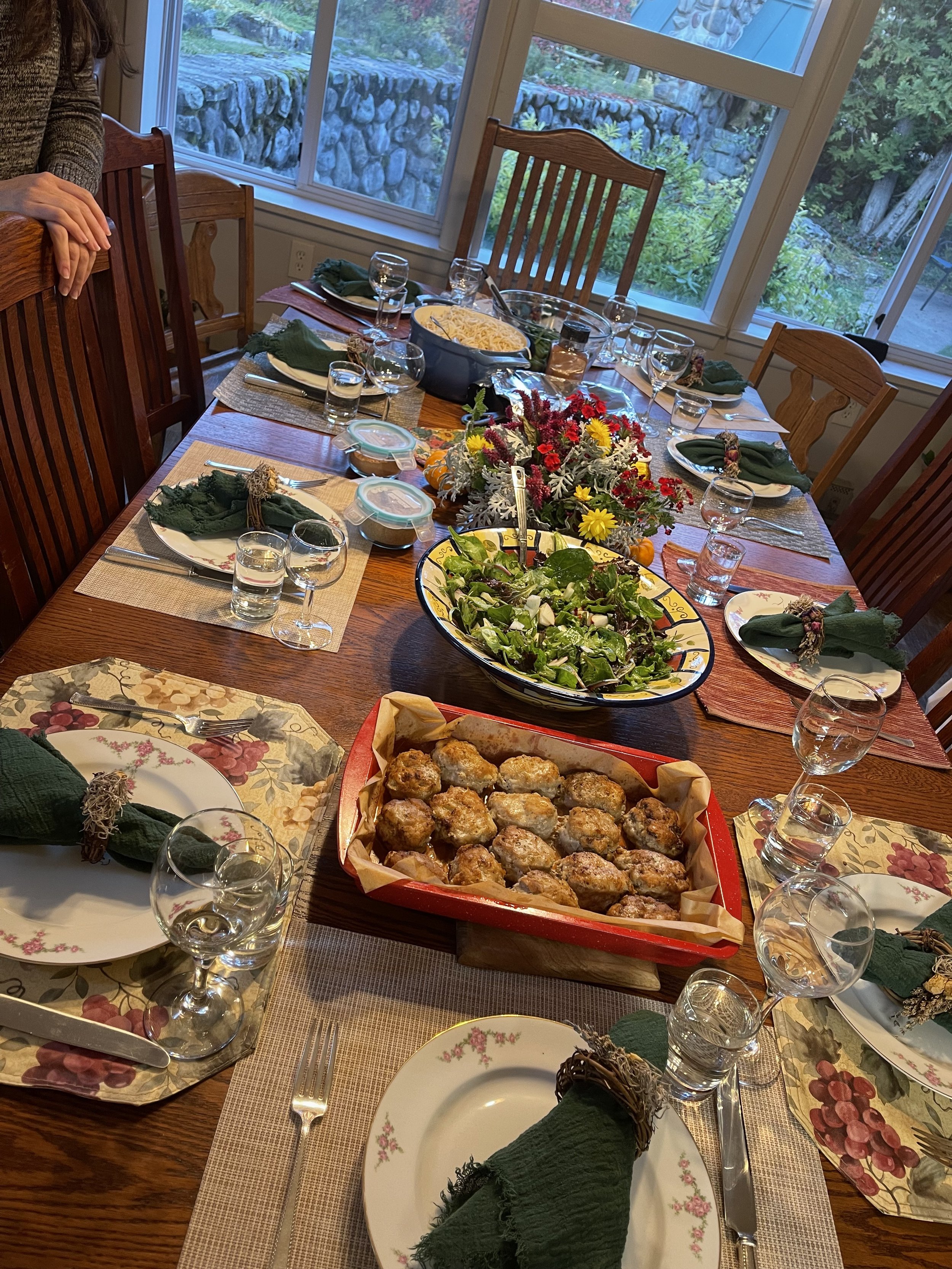
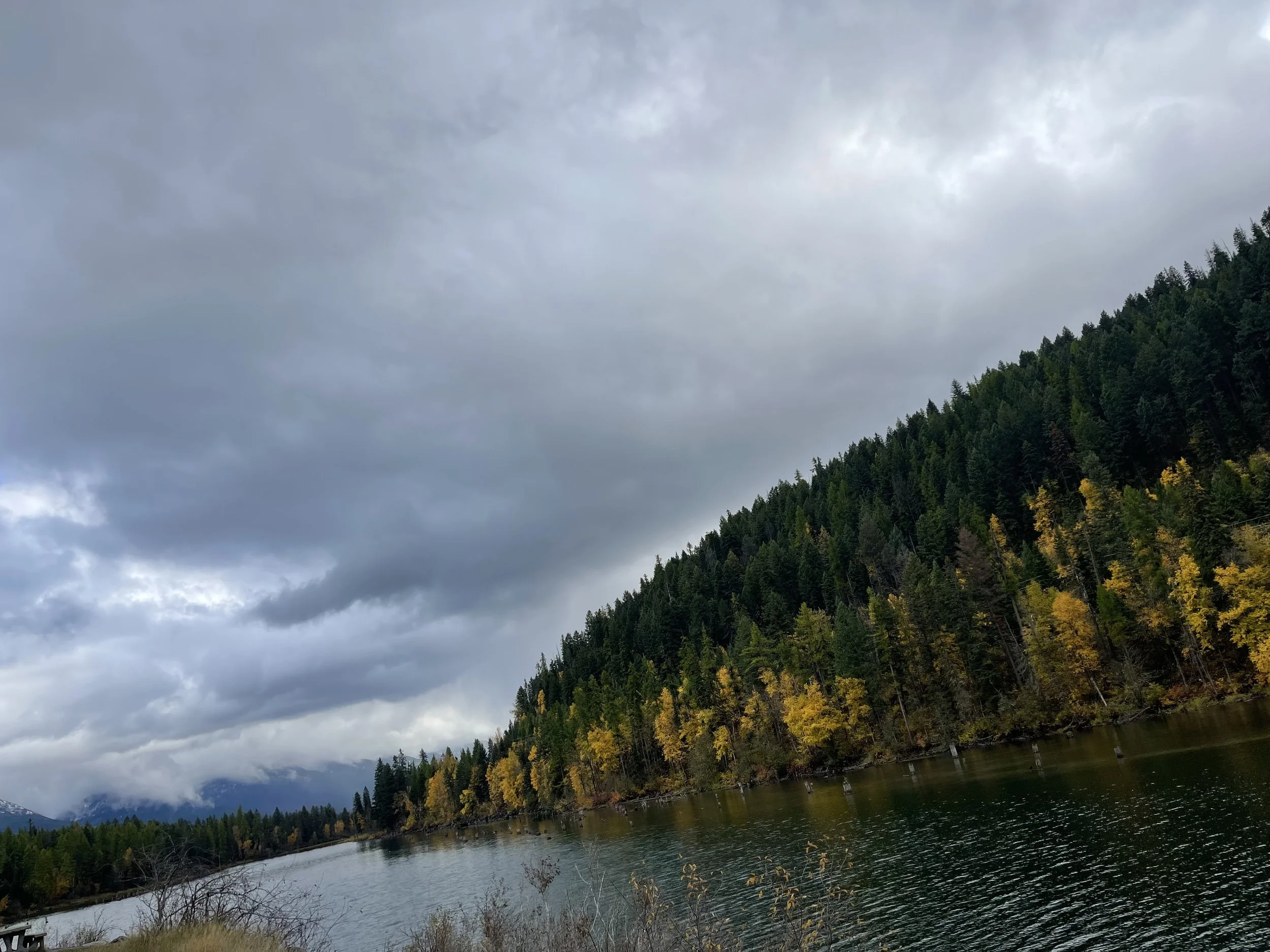
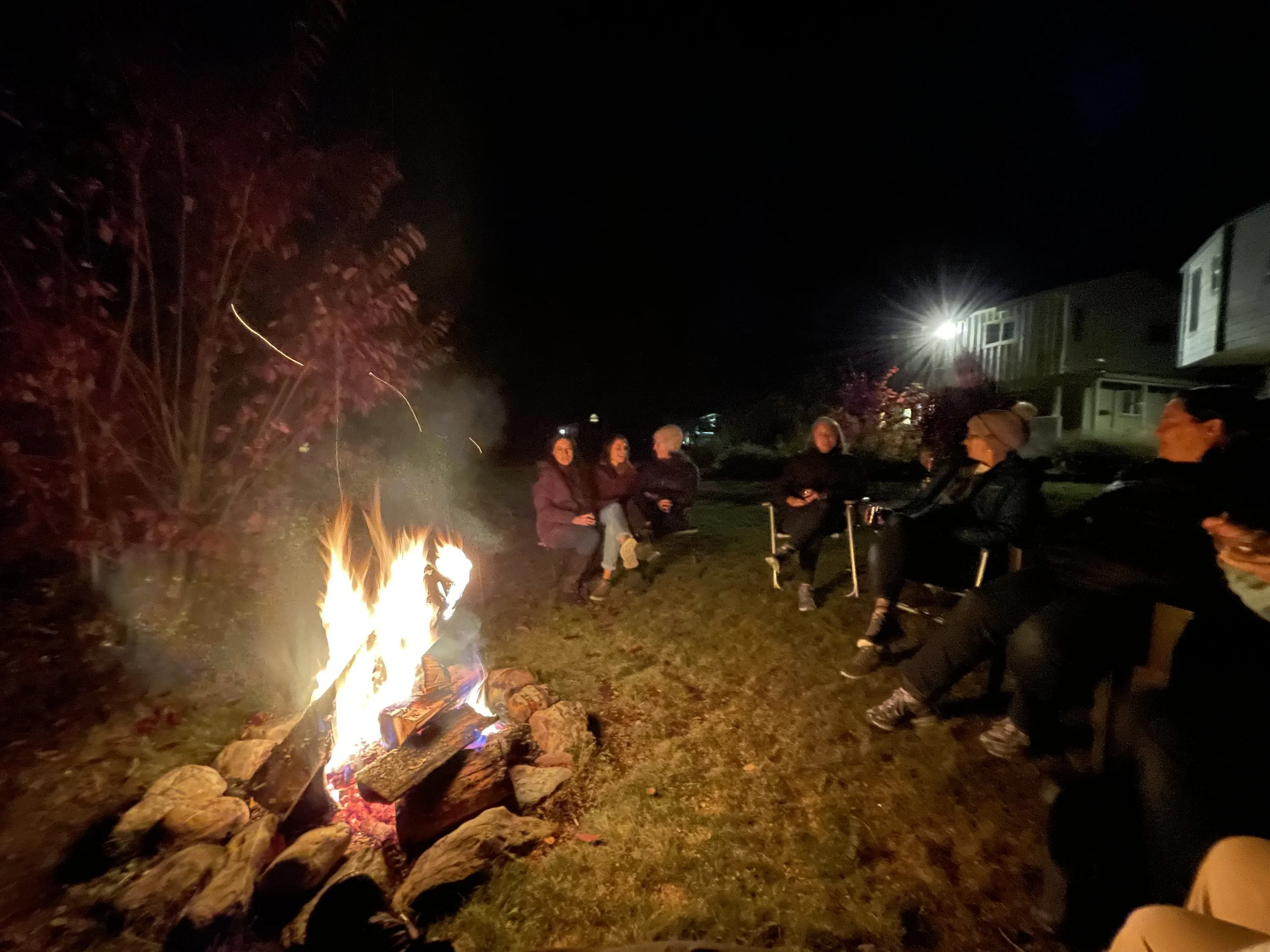
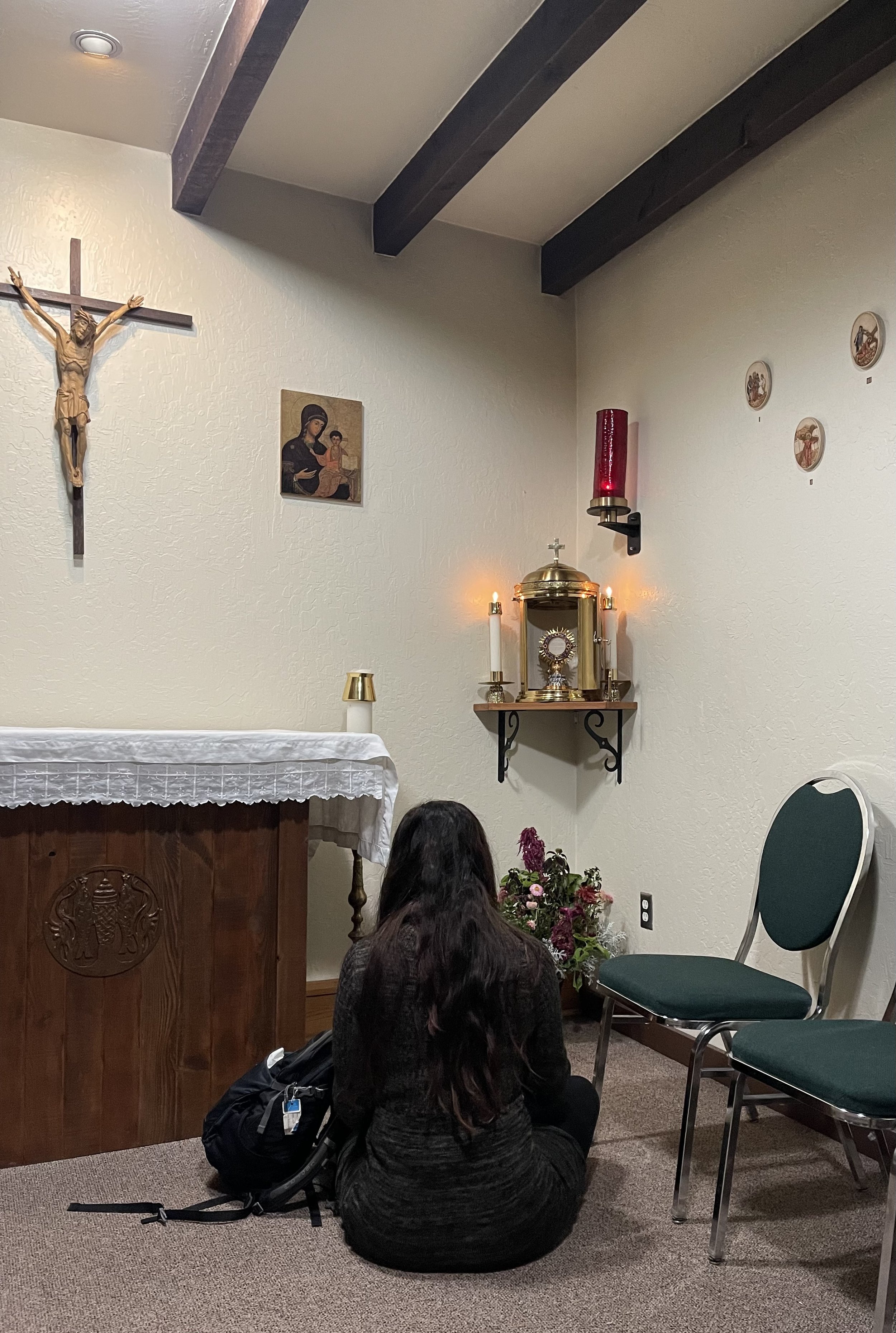
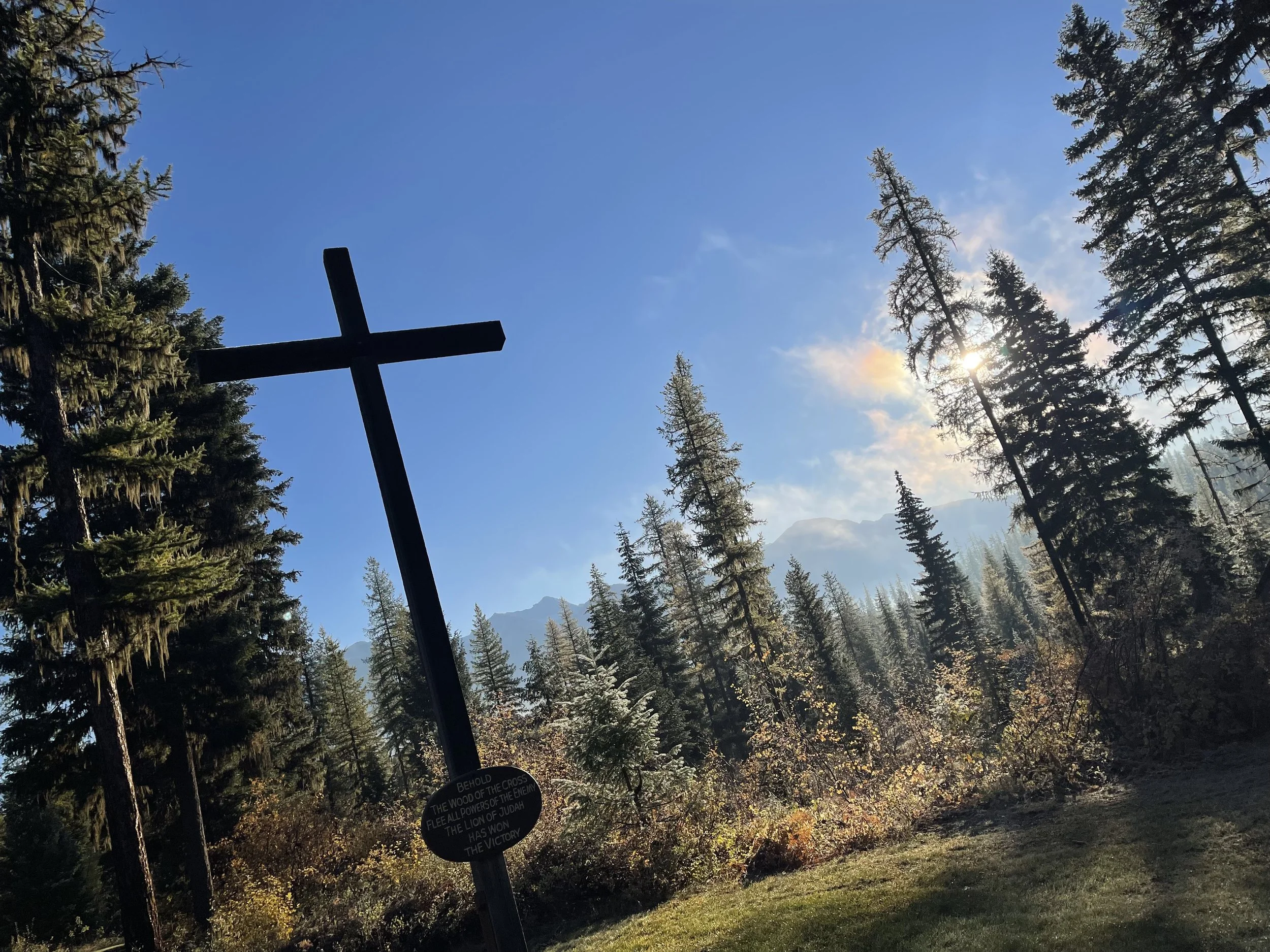
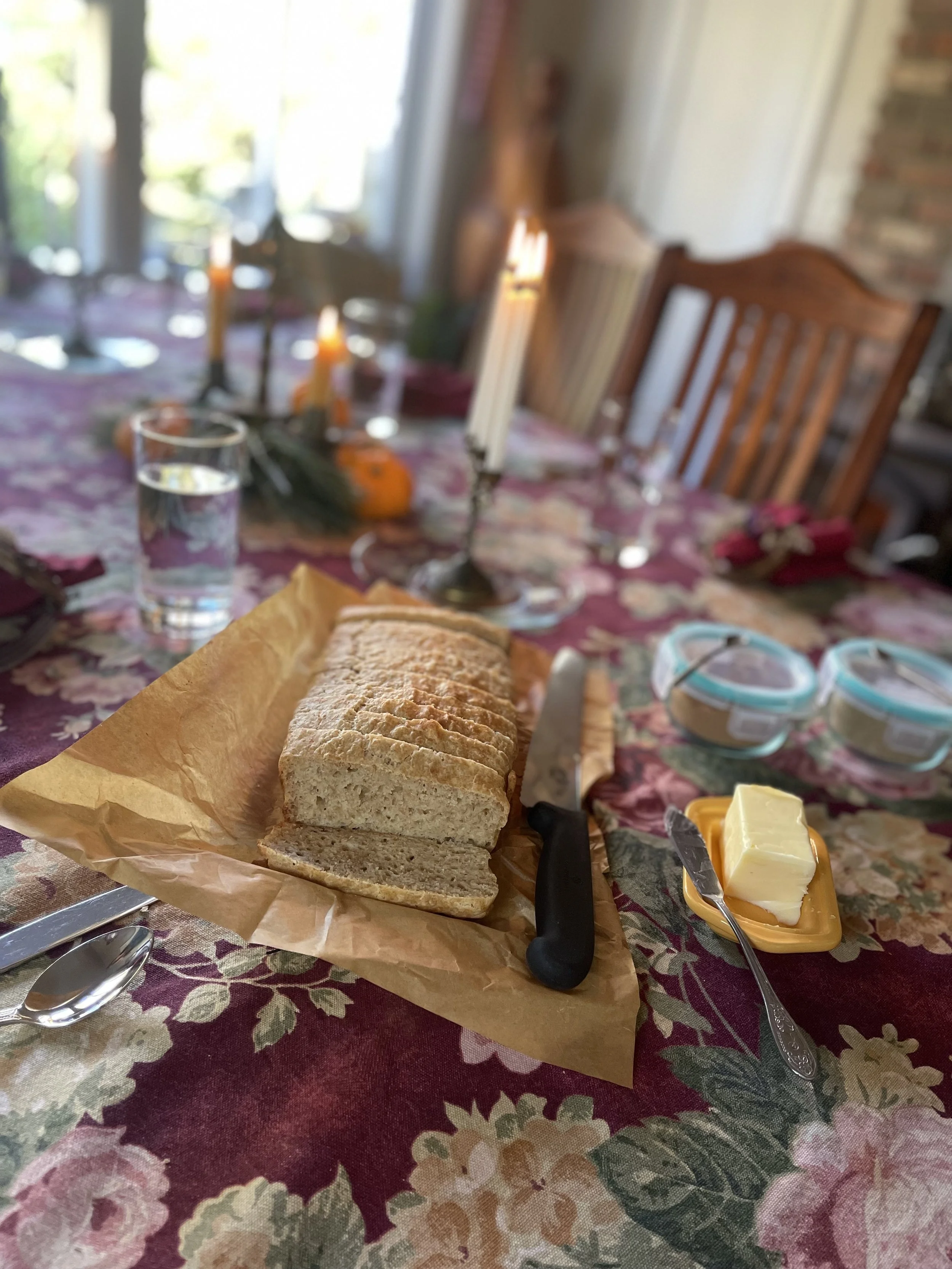
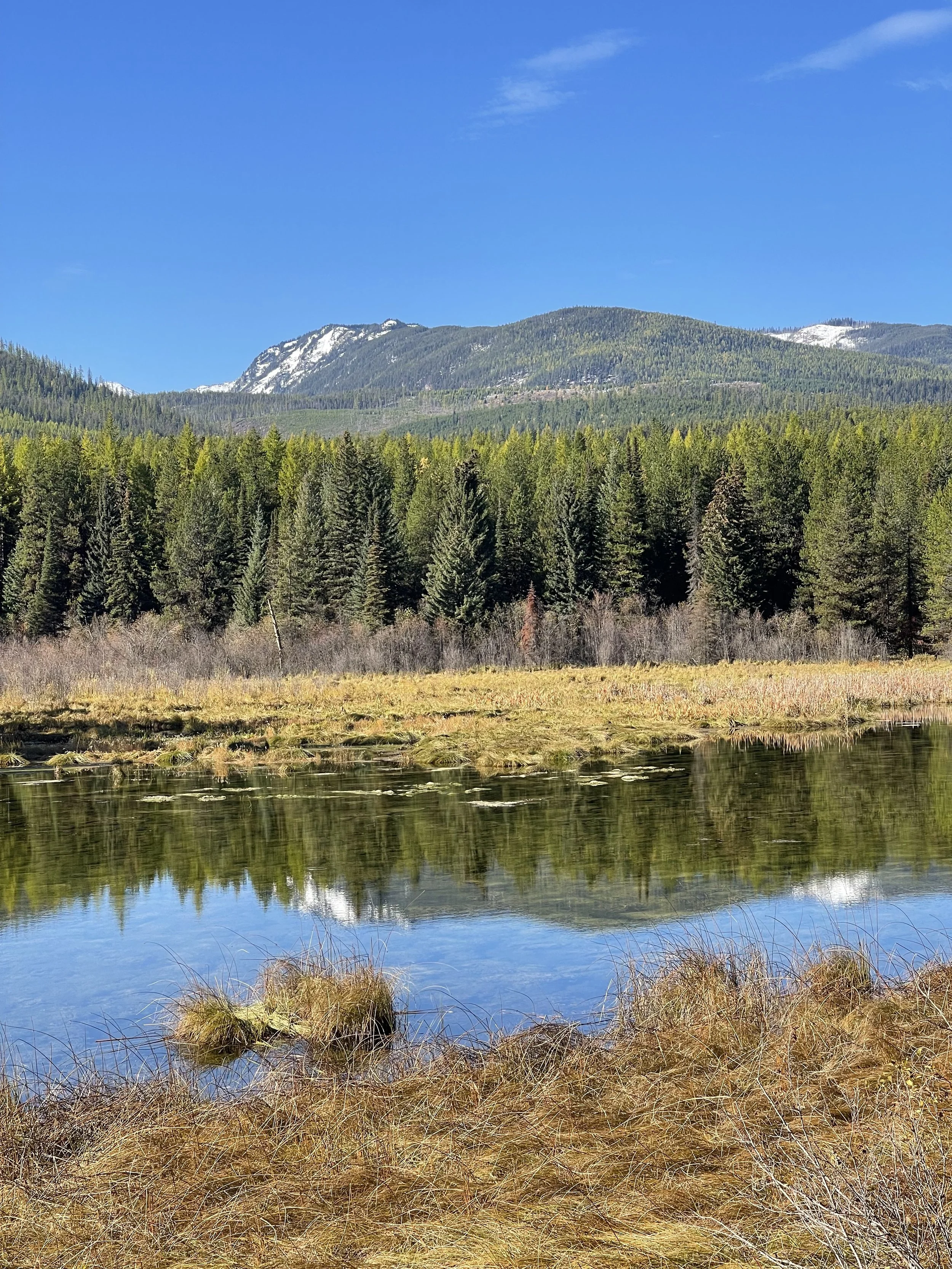
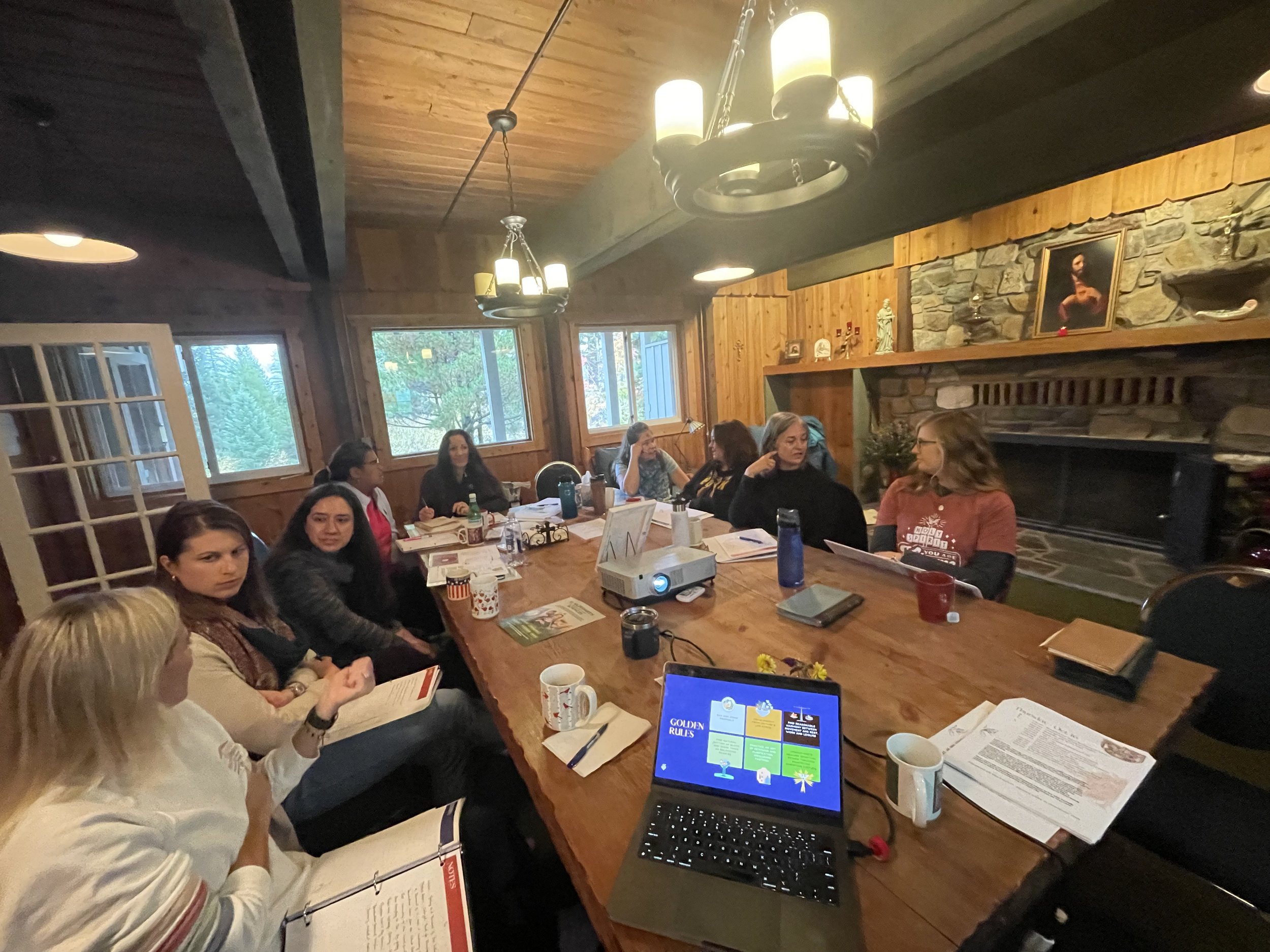
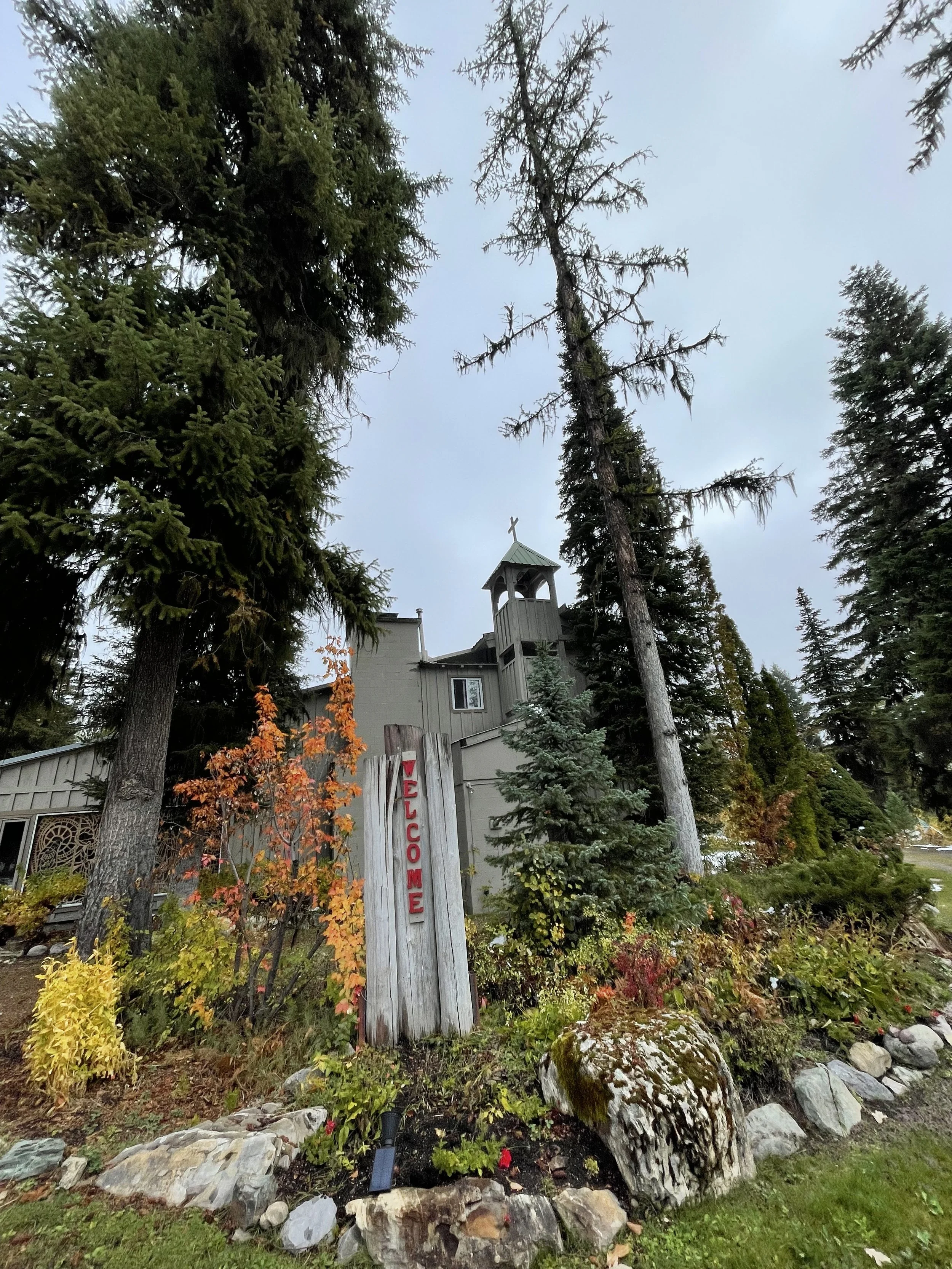
Four day retreat in the woods of Montana. You would think not much happened yet there was a heart shift aligning with intuitive expectation of rest becoming as real as the coniferous trees around us. You would think we did not pray a lot, yet there were voices rising up in praise despite or with the feelings that were taken as incense. You would think teaching was not that life changing yet we all felt the resilience and strength building up while the doubts, obsessive thoughts and lack of clarity were winding down. You would think the silence was too much yet the noise collapsed and the sound of birds relieved our minds from a burnout. You would think the meals were too simple yet they nourished the soul and showed that making food is a ministry of healing. You would think there was too much ‘free time’ yet the body catching up with the sun and moon walks across the sky aligned with their pathways of peace.
In the past there was slow food and slow fashion and slow travel movements, even slow living, all encouraging to intentional choices, local involvement, better self-awareness, smarter usage of resources.
We also long for an experience of slow discipleship. Unhurried and unforced Love getting under our skins and reminding us about what is the one thing needed.
The world glorifies acceleration: more goals, more hustle, more spiritual content to consume. But the soul was never designed to sprint. Slow discipleship is the holy art of remembering that transformation is organic, not mechanical. Like the slow ripening of fruit or the steady greening of a winter field, grace takes time. Christ does not microwave saints. He kneads them like dough, slowly, with pressure and warmth, until the yeast of love makes the whole life rise.
“Always we begin again.”
— Rule of St. Benedict
Slow discipleship means allowing the Holy Spirit to compost what’s dead and wasted in us, those old ambitions, oozing wounds, hidden habits, and turn it into fertile soil. It means lingering long enough with Scripture for it to read us. It means walking with others at the pace of friendship, not performance. It means chanting when we can not sing or pray spontaneously. It means laughing when the walls of self-defense are coming down.
The question “How should we then live?” is not answered by a new strategy but by a renewed rhythm. We live as those who breathe deeply, eat with thanksgiving, work with intention, and rest as resistance. We live as people who choose to be formed and transformed rather than merely informed. We live as witnesses of another tempo, the pace of eternity breaking into time.
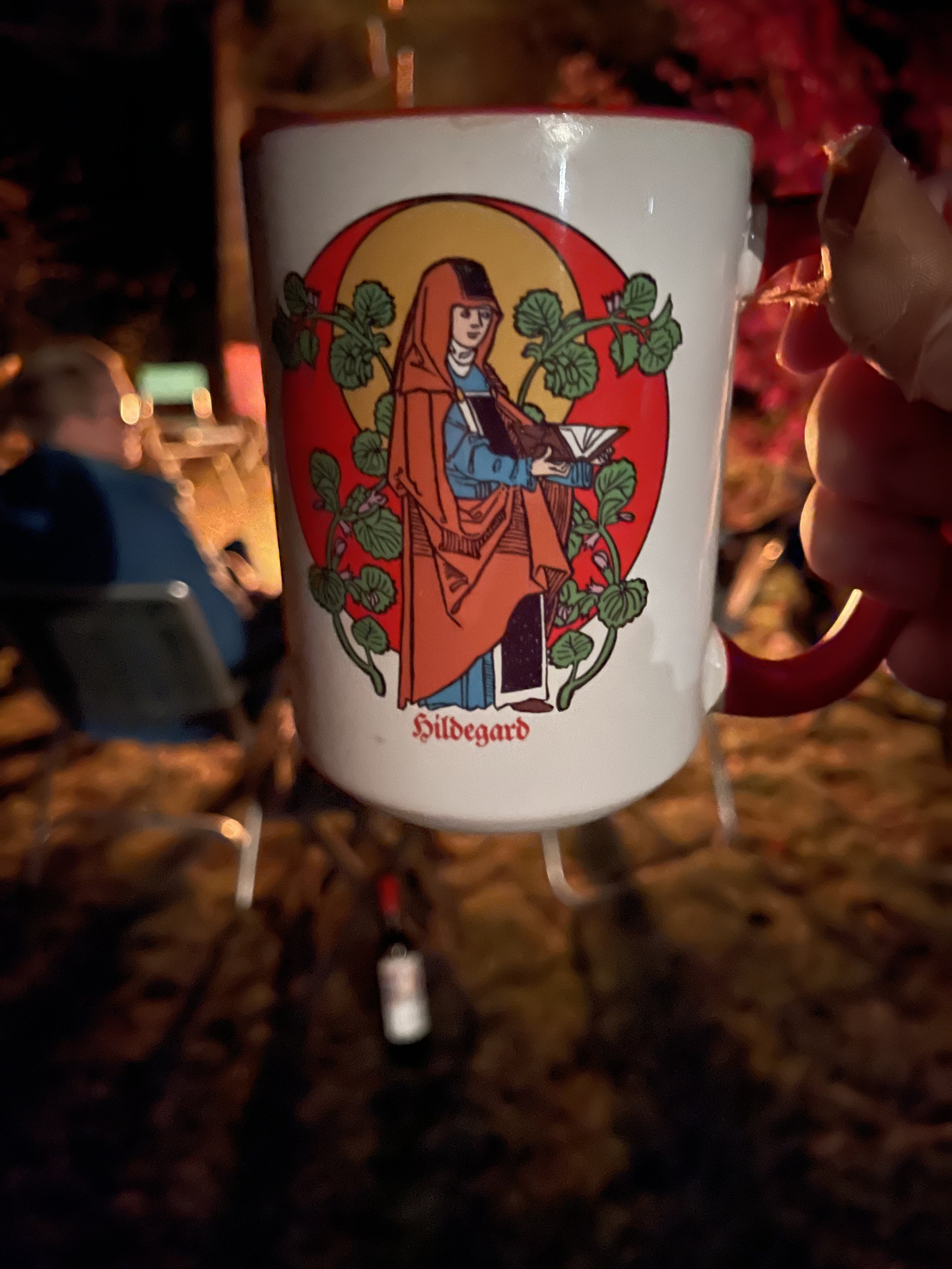
St. Hildegard called this living viriditas, the greening power of God pulsing through all creation. To live slowly is to let that power find room in us again. It’s not inactivity; it’s rooted activity. The kind that grows fruit that lasts. Hildegard’s viriditas is the theology of slow discipleship - spiritual growth as organic expansion, a cooperation with divine life. To live in viriditas is to accept God’s timing in the maturation of the soul.
Life in Kairos
Chronos (χρόνος) is chronological or sequential time. It’s the measurable time of clocks and calendars - the “ordinary” flow of history where we live our daily duties, form habits, and grow in virtue.
Kairos (καιρός) is God’s appointed or “pregnant” time. It’s when grace breaks into chronos, moments of divine opportunity, encounter, or conversion. The “fullness of time” when God acts decisively.
To live slowly, as the saints did, is to live in rhythm with divine time, Kairos, not Chronos. It means letting the Holy Spirit ripen the fruits of virtue at their appointed season. To live thus is to trust that grace is never late, only exact.
We live in Chronos time. Clocks, calendars, deadlines, and dopamine. Chronos is the measurable time, the ticking rhythm of the visible world. It is good, but it is not ultimate. It’s the soil of routine, the hours in which obedience grows. Yet it can become a tyrant when we forget that it’s only the vessel, not the wine.
Discipleship begins in Chronos: daily prayer, simple meals, ordinary faithfulness. But it matures in Kairos, the appointed time, when the eternal breaks into the temporal. Kairos moments cannot be scheduled, they ripen. They are when the seed you’ve been watering for months suddenly sprouts overnight. When Scripture you’ve read a hundred times suddenly breathes fire into your heart. Kairos is God’s rhythm. It’s slow, silent, and precise, never early, never late.
Slow discipleship is learning to live faithfully in Chronos while waiting expectantly for Kairos. It is keeping the lamp lit even when the Bridegroom tarries. It’s the rhythm of the gardener who trusts the seed beneath the soil.
Logos and Rhema: The Word in Motion
Logos (λόγος) is the Divine Word, Reason, or Wisdom of God. In Christian theology, the Logos is Christ Himself (“In the beginning was the Word…” - John 1:1). It means the eternal truth, order, and logic through which all things are created and understood.
Rhema (ῥῆμα) is the spoken or revealed word of God. While logos is the eternal Word, rhema is the personal word, a living utterance from God to a person or situation, like Scripture that suddenly “comes alive” through the same Holy Spirit which inspired it.
At the center of this sacred tempo is the Word, the divine communication of Life. Logos is the eternal Word, the structure, wisdom, and order through which all things were made. It is the DNA of creation, the invisible pattern written into every cell, every law of nature, every moral intuition. The Logos holds everything together.
But Rhema is when that eternal Word becomes personal. It’s the moment the verse you’ve read a hundred times pierces your heart like lightning. It’s the whisper that says, “This is for you, now.” Rhema is Logos applied, the Word made alive in the present moment. It is grace spoken into Chronos, transforming it into Kairos.
So discipleship is this sacred flow:
“In Chronos, we practice.
In Kairos, we perceive.
Through Logos, we are formed.
Through Rhema, we are transformed.”
“The Logos shapes our being,
The Rhema awakens our doing,
Chronos becomes the ground of practice,
Kairos becomes the harvest of grace.”
Living in God’s Time
Slow discipleship means resisting the rush of spiritual performance. It’s the willingness to let God unfold you at His pace, not yours. You don’t fast-food-deliver sanctity; you marinate in it. Like a vine, you grow through seasons of pruning, waiting, blossoming, and fruiting.
The saints understood this tempo: St. Francis de Sales urged patience with ourselves.St. Benedict told us to begin again daily, St. Teresa taught that patience “obtains all things”, St. Hildegard saw the world as verdant with divine vitality - Viriditas - the slow greening of the soul. They lived not in the anxiety of time, but in the assurance of eternity. And that is the call of slow discipleship: to let grace do its quiet work, to walk at the pace of the Spirit, to trust that what is slow is often what is sacred.
How Should We Then Live?
We live slowly, deeply, attentively, breathing the rhythm of heaven into the noise of the world.
We will live as those rooted in the Logos, awakened by the Rhema, formed in Chronos, and fulfilled in Kairos.
Thank you Angela and Bill for inviting me to your space of ministry and Michelle for making the retreat so meaningful and restful.