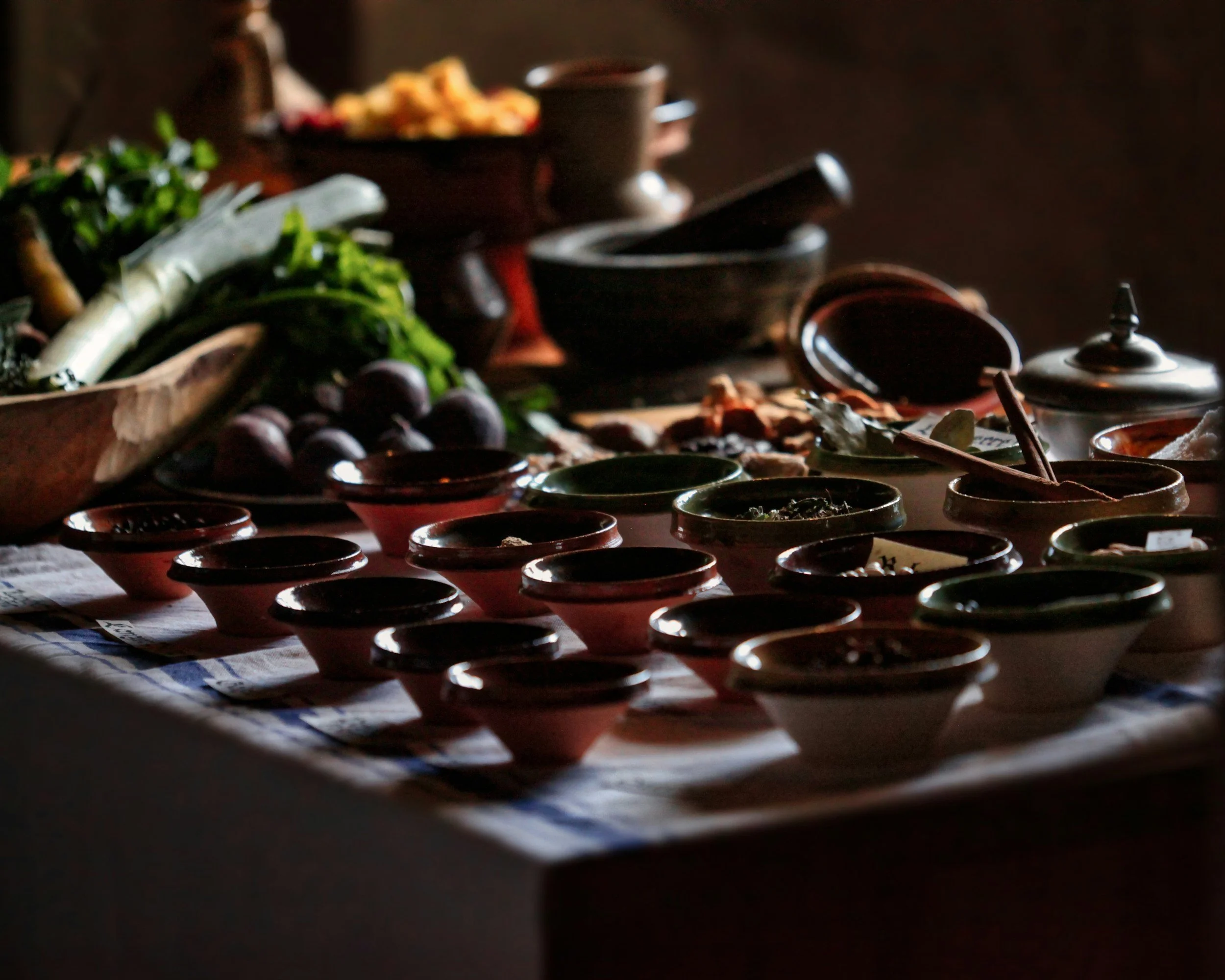
Plant-Based? Keto? Paleo? Carnivore? What Would Hildegard Do About Diet Culture?
If you dropped Hildegard of Bingen into a 2025 grocery store, she’d probably go straight to the produce and grains section, say a firm “no, thank you” to most of the boxed “protein bars,” and then ask us a very inconvenient question:
“Why are you more devoted to shrinking your body than to healing your soul?”
Our age names it “diet culture.” Hildegard called it something else: a loss of discretio, holy and right measure, discernment.
What “Diet Culture” Looks Like Today
Researchers describe diet culture as a system that prefers thinness with moral worth and success, normalizes constant dieting and body dissatisfaction, divides foods into “good” and “bad,” and encourages extreme restriction that often leads to weight cycling and disordered eating. Recent psychological and public-health work links repeated dieting and weight-focused programs with:
higher risk of eating disorders and disordered eating behaviors
worse body image and shame
and frequent weight regain after restrictive diets
More recently, social-media trends like “SkinnyTok” and so-called “mindful” hacks like the “three-bite rule” have been called out by clinicians as a new wave of dangerous diet messaging posing as wellness, especially for teens and women under stress. In other words: we’re swimming in techniques, but starving for wisdom.

Hildegard’s Core Principle: Discretio (Holy Measure)
Hildegard’s medical work Causae et Curae opens with a line that might as well be an antidote to diet culture.
In Mary Palmquist’s English translation, she has Hildegard say:
“The soul loves moderation in all things… when the body lacks measure… the powers of the soul are wounded.”
The key word here is moderation / measure (discretio). For Hildegard health is harmony in body, soul, and spirit; any extreme, over-indulgence or harsh deprivation, hurts both body and soul; food is not an enemy, but a tool for restoring harmony with God’s creation.
Modern scholars of her medicine agree: her whole approach is holistic and naturopathic—using herbs, nutrition, and lifestyle to restore equilibrium rather than merely suppressing symptoms.
Diet culture says: “You’re only as worthy as your latest number on the scale.” Hildegard says: “When you lose measure, your soul is wounded.” Very different starting point.
Food as Viriditas, Not as Enemy
Hildegard’s famous word viriditas, the “greening power”, describes the living, healing vitality of God in creation and in us. She applies it to plants, to the soul, and to health itself. She evaluates foods not as “good vs evil,” but strengthening vs weakening, healing or hurting, supporting joy vs fostering sadness and heaviness. This is already a direct critique of diet culture’s rigid good/bad food labels.
Plant-Based? Keto? Paleo? Carnivore? How Hildegard Might Discern Them
Of course, Hildegard didn’t know the words keto, paleo, carnivore, or plant-based. But we can ask: how would her principles of viriditas and discretio judge these patterns?
Plant-Based / Mediterranean-Style
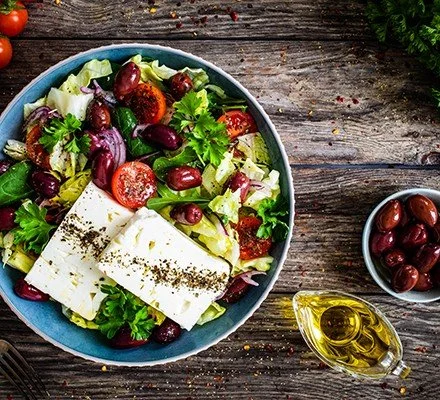
A plant-forward diet rich in vegetables, fruits, legumes, whole grains, herbs, nuts, and a little fish/wine looks surprisingly close to Hildegard’s recommendations (minus New World foods she never met).
Modern research finds that Mediterranean-style patterns are linked with better mental and brain health, and lower risk of depression. Its higher quality (more whole plant foods, less ultra-processed) is consistently associated with lower depression risk. Whole-food Mediterranean and plant-based patterns support healthy aging and less chronic disease into the 70s and beyond (Blue Zones).
If you map this onto Hildegard it would equal plenty of “glory foods” like spelt, herbs, vegetables, fruits, then modest, respectful use of animal foods, and emphasis on joy, digestion, and long-term well-being. She would likely nod.

Keto
A well-formulated ketogenic diet can be clinically useful (e.g., for epilepsy, some metabolic issues). Modern trials comparing ketogenic and Mediterranean-style low-carb diets in type 2 diabetes found that both improved blood sugar similarly, but keto’s stricter rules did not give overall health advantages, and the Mediterranean pattern was often easier to stick to.
From a Hildegard perspective: She might accept a temporary, therapeutic restriction for a serious condition, but would be wary of long-term severe exclusion of organic healthy whole grains and many fruits, which she explicitly praised for joy and strength. She would likely ask: Does this way of eating increase viriditas, or anxiety? Joy, or constant fear of “breaking keto”?
Paleo
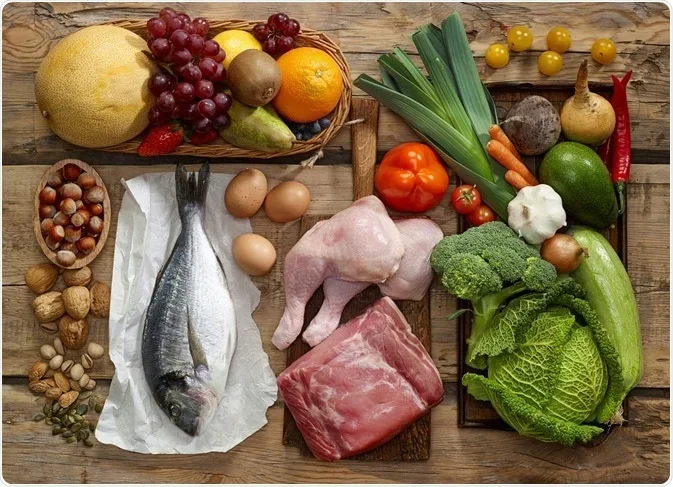
Paleo emphasizes unprocessed foods, plenty of vegetables and some fruits, animal protein, exclusion of grains and legumes.
Hildegard would probably love the move away from ultra-processed foods. But she would not agree with demonizing all grains, legumes, dairy or fruit, used wisely.
So “paleo-ish” that simply means real, minimally processed food might fit her thought. But strict “never this, always that” ideology? That collides with discretio.
Carnivore Diet
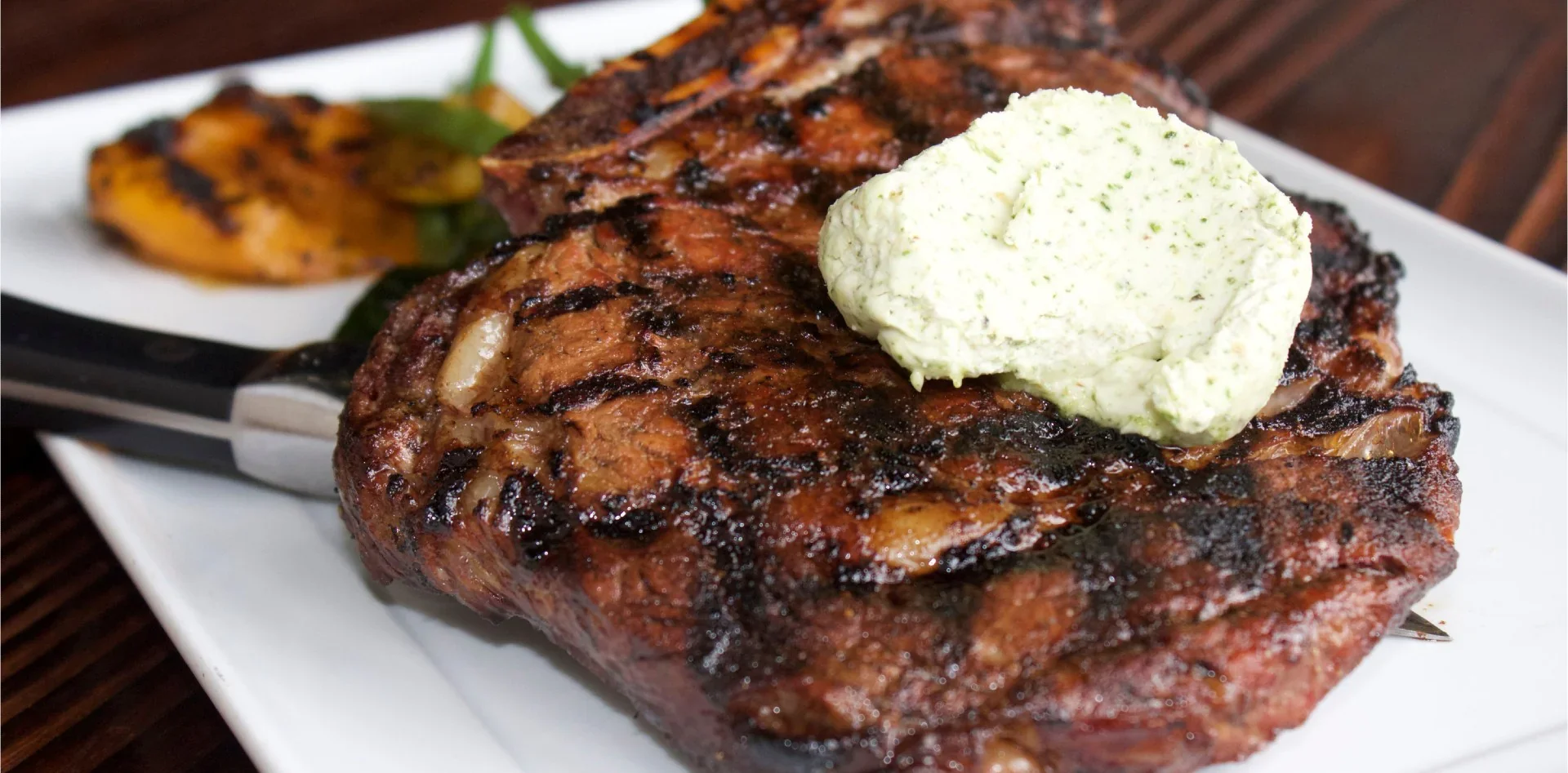
The Carnivore Diet is all about eating exclusively animal products (meat, organs, eggs, sometimes dairy) and is one of the most extreme modern food patterns. Its most common claims: rapid reduction in bloating, autoimmune flares, cravings, and inflammation.
Hildegard of Bingen would recognize the reason people turn to it (gut distress, emotional exhaustion, chronic inflammation), but she would be deeply concerned by its total exclusion of plant foods, grains, fruits, and herbs - foods she considered essential to both bodily digestion and spiritual joy.
Looking at Carnivore diet through her lenses of discretio (measure): Hildegard warned repeatedly against extremes in eating, so this type of diet long-term would fail in her eyes. From Hildegard’s perspective, a diet that removes all “green” life-forms violates her theology of viriditas, the divine greening power that animates creation and the human body. She would likely ask: “Can a body thrive without the greening gifts God placed in plants?” Her answer is almost certainly no.
From viriditas point of view she associates: herbs with healing of humors, fruits with good digestion and joy, grains with strength and clarity, spices with warmth and harmonizing digestion. By contrast, she sees meat, especially in excess, as having: a heating and thickening effect on the blood, a tendency to increase melancholic states when overused, and a heavier digestive burden. She is not anti-meat, but she sees meat as medicine or nourishment in proportion, not the whole of daily diet.
What would Hildegard say about the reasons people choose Carnivore? People are often drawn to Carnivore because they are inflamed, bloated, reacting to multiple foods, exhausted, lost trust in their digestion, overwhelmed by dietary complexity. Hildegard would be compassionate about these symptoms but she would diagnose them as signs that: digestion is cold or weak, the humors are imbalanced, the gut has lost its warmth and rhythm, the person is living without enough joy, rest, or spiritual renewal. She would possibly approve of Carnivore only as a temporary, medicinal purge, perhaps for: severe gut dysbiosis, acute food reactivity, short-term elimination before rebuilding.
Hildegard vs. Diet Culture: Where Modern Research Backs Her Up
Diet culture’s obsession with restriction, “cheat days,” and constant body surveillance is now strongly linked to higher levels of psychological distress and depression, especially in calorie-restrictive or nutrient-restrictive diets. That’s exactly Hildegard’s concern: when we lack measure, the soul is wounded and the will is weakened.
Multiple recent reviews show that overall diet quality, more whole, plant-forward, minimally processed foods is linked with: lower risk of depression and anxiety, better cardiometabolic health, and healthier aging.
The modern intuitive eating movement (Resch & Tribole) rejects diet mentality and focuses on listening to hunger/fullness cues, making peace with food, and respecting the body. It’s now supported by evidence for better body image, lower disordered eating, more stable weight over time.
Hildegard would not use that language, but her emphasis on joyful meals, gratitude, community, and moderation fits far better with intuitive/attuned eating than with rule-heavy diet culture.
Practically: What Would Hildegard Do in a Diet-Obsessed Age?
If you’re standing between Keto, Paleo, Carnivore, Plant-Based, imagine Hildegard asking you a few questions:
Does this way of eating honor discretio? Is it reasonable, sustainable, and suited to your real life and vocation? Or does it push you into extremes binge/restrict, obsession, fear?
Does it increase viriditas?Do you feel more alive, clearer, more able to pray, work, love… or more anxious, cold, exhausted, and socially isolated?
Does it respect the goodness of creation? Does it allow whole foods like grains, fruits, vegetables, legumes, herbs, modest animal foods to play their role in your healing?
Does it serve both body and soul?Does it help your mood, sleep, and prayer, not just your mirror? Modern data says diet quality and mental health are deeply linked; her language would say food can either support joy or deepen sadness.
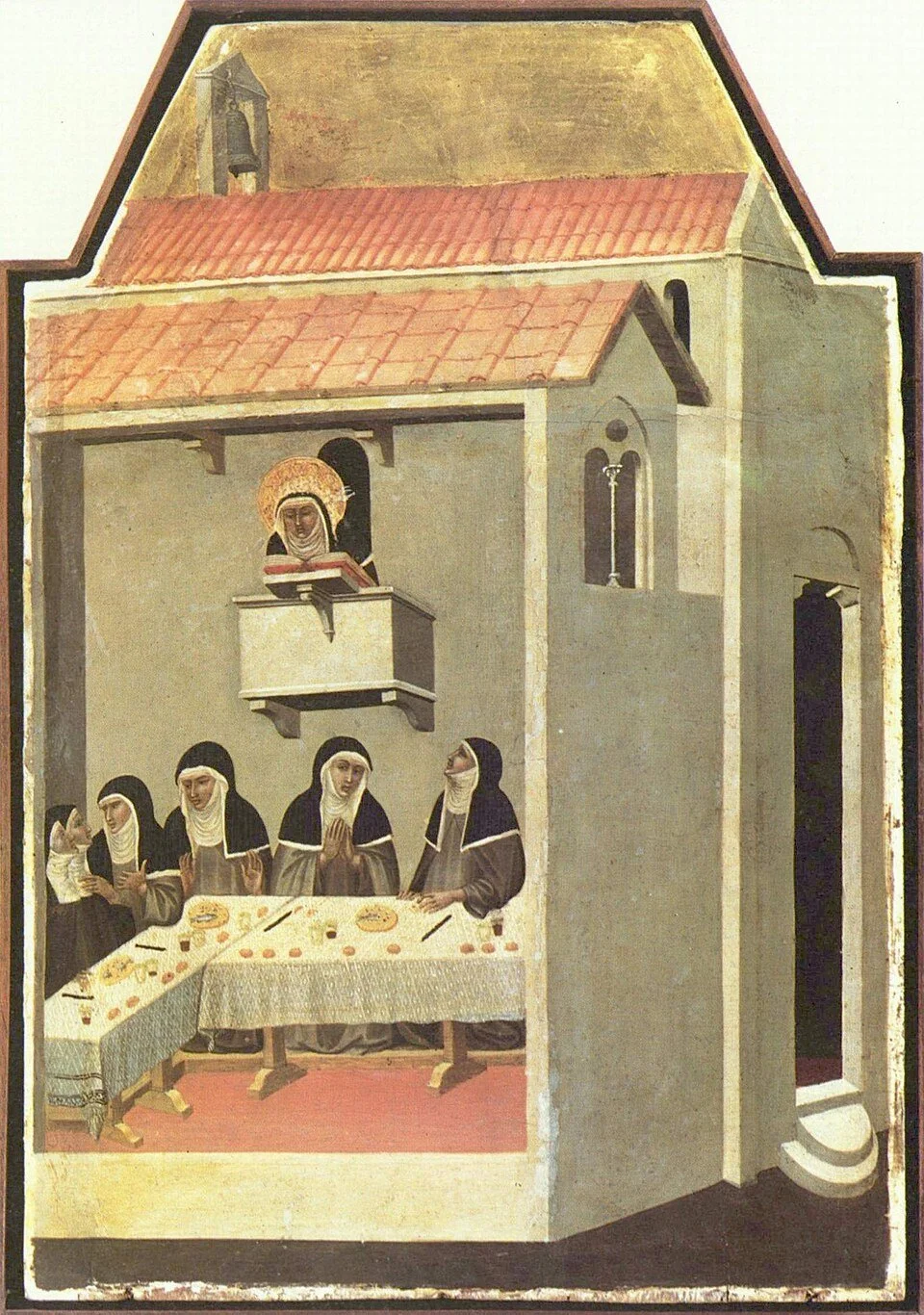
Is it lived in community? Shared meals, gratitude, and blessing are part of medicine for her. Diet culture isolates; Hildegard’s table gathers.
A Hildegard-Inspired Alternative to Diet Culture
If we translate all of this into a simple, modern rule of thumb: Choose an eating pattern that is whole-food and plant-forward, moderate in animal foods, low in ultra-processed products, gentle on digestion, joyful, prayerful, and sustainable.
For Hildegard, no diet label is your savior. Christ saves; food supports.